Concrete Repair – The Importance of Repairing Your Concrete

Concrete repair is an important step to preserving and protecting the longevity of concrete structures. Depending on the cause of deterioration, restoration techniques can vary from cosmetic to structural.

For structural bonding, epoxy injection can repair cracks and stop water flow in concrete. This type of repair requires a professional contractor and may be expensive. To ensure quality results, hire experienced general contractors in Nashville TN.

Crack Repair

Concrete Repair

Concrete is an amazingly strong material, but even the most well-designed and constructed slabs can develop cracks. Cracks can be caused by a wide range of factors, including poor installation, drying conditions, freeze/thaw cycles and more. Regardless of the cause, it’s important to repair these cracks quickly to prevent further damage to your surface and to protect the safety and integrity of the structure.

The first step to taking care of these small cracks is to clean them out thoroughly. Use a pressure washer to remove any dirt, dust or other debris that might be lodged in the cracks. You should also spray the inside of the cracks to prevent moisture penetration and further deterioration.

Next, you’ll want to prepare the cracks for filling. You can do this by using a caulk tube, bottle or pre-mixed compound that’s designed to be used with concrete. If the cracks are very deep, a backer rod may need to be added before you start filling. Backer rod is a long, cylinder-like piece of foam that you can “shove” into cracks to help the sealant adhere better.

Once you’ve filled the cracks, it’s a good idea to let them dry completely before you use your outdoor space. If you’re in a hurry, you can accelerate the drying process by running a heat lamp over the cracks. However, this isn’t always recommended, as it can create an uneven and potentially dangerous surface.

The last step is to sand the patched area to blend it into the rest of the concrete. You can also run a brush perpendicular to the cracks to feather out the compound and further smooth the surface. Finally, a coat of clear polyurethane will give your concrete the finish it needs and keep any water out that might otherwise seep into the cracks and further damage your surface.

If you don’t feel comfortable or qualified to tackle the task of repairing your cracked concrete yourself, contact a local SUNDEK contractor. These professionals will be able to assess your concrete and provide you with an array of options, from resurfacing to full replacement.

Edge Repair

Concrete is a robust construction material that can be subject to a number of issues over time. These problems include deterioration, cracking, spalling, sinking and more. Fortunately, these pesky issues aren’t permanent and today there are several effective concrete repair methods to help keep your concrete intact.

The first step in repairing cracked concrete is to determine the cause. This will help you decide whether to replace or repair the damaged area. For example, if the cracks are caused by carbonation or corrosion induced deterioration, replacing the surface may be the best option.

If your cracked concrete is caused by freeze-thaw cycles, chemical exposure, structural movement or poor construction practices, repairing the damage will usually restore the integrity of the concrete and improve its lifespan. Repairing the damage will also ensure that you don’t experience any further deterioration and costly repairs in the future.

Repairing a crumbling concrete surface requires careful consideration of the type and size of the crack, its depth, moisture content and the condition of the surrounding concrete. In addition, the type of repair should consider the function required of the structure. For example, a repair for a crack in a structural wall should take into account the shear and tensile forces that are generated within the concrete.

Various constituents can be added to the repair mortar or concrete to modify its performance, such as the ductility, bond strength and water resistance. However, it is essential that the material used in a repair is compatible with the existing concrete substrate. This is especially important in the case of a repaired crack, where the bond between the repair material and the concrete substrate is critical for its durability.

For instance, traditional concrete repair for a sinking concrete slab was to inject cement through injection ports. This process was messy, chaotic and left large holes in the surface. PolyLevel is an alternative that uses a two-part polyurethane system to fill voids and lift the concrete slab back to its original position. This system is fast, noninvasive, aesthetically pleasing and doesn’t retain moisture.

Spalling Repair

Concrete has immense utility for the built environment, and if it is poured and cared for correctly can last a very long time. It is not, however, invincible and it is subject to a number of different environmental stresses that can cause spalling and damage.

Spalling occurs when the surface of concrete peels or breaks away in small, irregularly shaped chunks. This can occur due to a variety of environmental factors, including the use of de-icing salts and poor curing. Concrete spalling can also be caused by poor mix design, resulting in weak concrete that is more susceptible to damage and spalling.

If left unchecked, spalling can cause serious structural issues and present trip hazards. It is also unsightly and makes structures appear uncared for. Diligent maintenance is therefore a critical part of a structure’s lifespan and legislation often places a duty of care on owners to maintain their structures in a safe condition.

In many cases, a simple application of a penetrating concrete sealer can help prevent moisture related spalling. The sealer creates a chemically bonded barrier that helps slow down the deterioration process, providing protection against freeze-thaw cycles and the effects of de-icing salts.

When concrete spalls, it exposes the deeper layers to environmental stressors, causing further damage and reducing the structural integrity and lifespan of the concrete structure. The good news is that spalling can be repaired without the need to replace the affected concrete.

Surface patching and overlays can repair the damage caused by spalling, restoring the surface to a new, aesthetically pleasing appearance. Products such as RepCon V/O, RepCon 928, and Duo Patch can be used to repair the surface of spalling concrete and protect it from further damage.

Preventing spalling can be achieved by sealing concrete soon after installation and implementing routine maintenance such as cleaning and re-application of sealers. A concrete surface that is properly prepared and sealed can resist moisture and protect the steel reinforcement from corrosion, thereby reducing the risk of spalling. SpecChem offers a wide range of targeted solutions that can help both prevent and repair spalling, including penetrating sealers that are ideal for concrete surfaces.

Resurfacing

Concrete resurfacing is an excellent option for revitalizing and restoring the appearance of outdated, worn, or stained concrete surfaces. Using a new layer of concrete or specialized resurfacing material, resurfacing methods like overlay resurfacing, stamped concrete resurfacing, and epoxy resurfacing can be used to mask cracks, pitting, spalling, and discoloration, and create a fresh new surface. This type of resurfacing is often applied to patios, driveways, walkways, and other outdoor concrete surfaces to enhance the look of any space and boost curb appeal.

Resurfacing can also provide a variety of design customization options, as well as enhanced traction and safety features. For example, textured and anti-slip finishes, which are designed to improve traction and reduce the risk of slips and falls, can be added to resurfacing materials like stamped or epoxy coatings.

Before choosing a resurfacing method, it’s important to assess the condition of the existing concrete, as this will influence the most suitable solution. For example, if the concrete is heavily damaged or deteriorated, a more extensive repair solution like a complete concrete replacement may be necessary.

Other factors to consider include the desired aesthetic, traffic and usage, timeline, and budget. For example, simpler resurfacing techniques like concrete overlays and micro-toppings can be completed more quickly than more extensive options like stamped or epoxy coatings. Also, keep in mind that some resurfacing methods require regular maintenance routines such as cleaning, sweeping, and resealing to preserve their appearance and performance.
Crafting Outdoor Spaces with Expert Deck Building Contractors

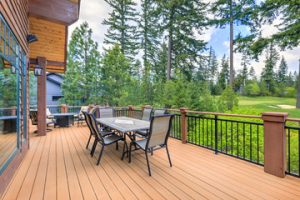
Deck building contractors create spaces that blend function with aesthetics. They transform backyards into extensions of living areas. Every project reflects careful planning and design. Skilled contractors ensure both beauty and durability.

Deck Building Contractors

Material selection is crucial for every deck. Wood, composite, and metal options offer distinct advantages. Contractors guide clients on longevity, maintenance, and cost. This ensures the final deck suits both lifestyle and budget. Visit https://www.deckbuildermurfreesboro.com to learn more.

Deck design begins with understanding the environment. Soil, slope, and exposure to elements influence structure. Contractors assess these factors before construction. Proper planning prevents future issues and enhances safety.

Foundation work is the backbone of a strong deck. Footings must support weight and resist shifting. Contractors use precision techniques to ensure stability. A well-laid foundation extends the lifespan of the deck.

Permits and local regulations often dictate construction methods. Deck building contractors navigate these requirements. They ensure projects meet legal and safety standards. Compliance avoids costly delays or fines.

Customization is a hallmark of expert contractors. From multi-level decks to intricate patterns, possibilities are endless. They adapt to client needs while maintaining structural integrity. Unique designs enhance the overall property value.

Weatherproofing is critical for outdoor longevity. Sealants, stains, and coatings protect against moisture and sun damage. Contractors apply techniques that maximize protection. This minimizes maintenance and prolongs deck life.

Deck building contractors also consider accessibility. Steps, ramps, and railings are designed for safety and convenience. Every detail is evaluated for ergonomics. Inclusive designs ensure enjoyment for everyone.

Lighting and ambiance are integral to deck construction. Built-in lighting enhances aesthetics and usability at night. Contractors integrate electrical solutions safely. This adds both functionality and charm.

Maintenance planning is part of the contractor’s service. Homeowners are guided on cleaning schedules and inspections. Proper care prevents deterioration. Education ensures decks remain attractive and safe for years.

Eco-friendly materials are gaining popularity. Recycled composites and sustainable woods reduce environmental impact. Contractors offer options that combine durability with sustainability. Clients contribute to greener construction without compromising quality.

Deck building often requires integrating existing structures. Homes, patios, and landscaping influence design. Contractors plan seamless transitions. Cohesion between deck and property creates a polished, intentional look.

Structural safety is non-negotiable. Load-bearing calculations ensure decks withstand furniture, gatherings, and weather. Contractors follow industry standards rigorously. Safety measures protect both homeowners and guests.

Multi-functional decks are trending. Incorporating seating, storage, and entertainment areas maximizes utility. Contractors balance space and comfort. Every addition is carefully considered to maintain openness.

Material finishing is an art in itself. Smooth surfaces, rounded edges, and even spacing enhance visual appeal. Contractors focus on precision and detail. The finish reflects the quality of craftsmanship.

Deck extensions are common upgrades. Adding levels or sections enhances usability. Contractors manage seamless integration with existing decks. Thoughtful design ensures consistent aesthetics and functionality.

Water management is essential for durability. Proper drainage prevents pooling and wood rot. Contractors plan slopes and install gutters as needed. Effective water control reduces long-term maintenance costs.

Railings are both functional and decorative. Materials range from metal to wood to glass. Contractors select solutions that complement design and meet safety codes. The right railing balances style and security.

Deck contractors often collaborate with landscape designers. Planting beds, pergolas, and pathways enhance the outdoor experience. Coordinated efforts create harmonious, inviting spaces. Landscaping integration elevates the deck’s appeal.

Seasonal adaptations are considered during construction. Cold climates require frost-resistant footings. Hot climates demand heat-tolerant materials. Contractors tailor strategies to environmental conditions.

Advanced tools improve efficiency and precision. Laser levels, power saws, and drills ensure accuracy. Skilled contractors combine technology with craftsmanship. This results in structurally sound and visually appealing decks.

Outdoor kitchens and fire pits are integrated by some contractors. These elements expand the deck’s functionality. Professionals ensure safe installation with proper ventilation. Multi-use decks enhance lifestyle and entertainment options.

Deck contractors also address accessibility and mobility needs. Wider walkways, ramps, and rail heights cater to diverse users. Thoughtful design ensures comfort and safety. Accessibility makes outdoor spaces inclusive.

Maintenance-friendly design reduces long-term costs. Contractors suggest easy-to-clean surfaces and removable panels. This allows for quick repairs and seasonal upkeep. Efficient design prolongs the deck’s aesthetic appeal.

Deck contractors are adept at project management. Scheduling, supply acquisition, and crew coordination ensure timely completion. Delays are minimized through careful planning. Efficient management keeps budgets and timelines in check.

Lighting, sound systems, and outdoor heaters are often added. Contractors integrate electrical and structural elements seamlessly. These amenities increase usability in evenings and colder months. Thoughtful planning enhances comfort and entertainment.

Contractors also address pest prevention. Wood treatments, proper drainage, and secure foundations deter insects. Preventative measures reduce damage over time. Maintaining integrity is key for longevity.

Client collaboration is central to every project. Contractors discuss goals, preferences, and concerns thoroughly. Feedback shapes design decisions. Active communication ensures satisfaction and trust.

Deck renovations are common for aging structures. Replacing worn boards, railings, or supports revitalizes space. Contractors assess structural health before upgrades. Renovations restore safety and visual appeal.

Storage solutions are integrated subtly. Beneath-deck compartments or built-in benches hide items efficiently. Contractors combine function with design. Smart storage maximizes utility without compromising aesthetics.

Safety codes govern every construction aspect. Load ratings, spacing, and railing height must comply. Contractors stay updated on evolving standards. Compliance guarantees peace of mind for homeowners.

Deck lighting requires both creativity and technical skill. Solar, LED, or recessed lighting creates ambiance. Contractors ensure proper wiring and weatherproofing. Lighting enhances both safety and atmosphere.

Deck contractors often provide full-service packages. Design, construction, finishing, and maintenance guidance are included. End-to-end service simplifies the process for homeowners. Professionals manage each step for optimal results.

The growing trend of multi-level and rooftop decks increases complexity. Contractors adapt designs to maximize space safely. Structural calculations are critical. Expertise ensures the deck is both stunning and reliable.

Sustainable deck practices extend to construction processes. Waste is minimized, and offcuts are recycled. Contractors implement eco-conscious strategies on-site. Environmental responsibility complements craftsmanship.

Outdoor entertainment integration is a specialty. Audio systems, lighting, and seating arrangements are designed for social gatherings. Contractors ensure functionality without cluttering space. Well-planned decks enhance lifestyle and leisure.

Final inspections confirm quality and safety. Contractors review structural integrity, finishes, and usability. Homeowners receive guidance for long-term maintenance. Thorough inspections uphold professional standards.

The expertise of deck building contractors transforms ordinary backyards into luxurious retreats. Their combination of design, construction, and safety knowledge ensures lasting satisfaction. Every project reflects creativity and precision. Skilled contractors turn visions into reality, creating outdoor spaces that delight for years.

Building Dreams with Quality Construction Services

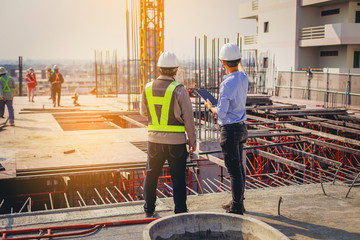
Construction services are the foundation of every thriving community, shaping the spaces where people live, work, and gather. From homes and commercial buildings to infrastructure and renovations, these services bring ideas to life, transforming empty land into functional and beautiful structures. Understanding what construction services include and how they add value can help property owners, businesses, and communities make informed decisions about their building projects.

This article explores the scope of construction services, their benefits, and why professional expertise is crucial for successful projects—without mentioning specific names, brands, or places.

construction

The Role of Construction Services

Construction services encompass far more than simply building structures. They involve careful planning, expert execution, and a coordinated approach to bring a vision from concept to completion. A quality construction service focuses on:

  • Planning and design – Ensuring the project meets functional, aesthetic, and regulatory requirements.
  • Project management – Coordinating schedules, budgets, and teams to keep everything on track.
  • Quality control – Using reliable materials and techniques to ensure durability and safety.
  • Safety compliance – Following strict safety protocols to protect workers, clients, and the public.

These elements work together to deliver structures that are not only visually appealing but also built to last.

Types of Construction Services

Construction services cover a wide range of projects, including:

  • Residential construction – Building or renovating homes, apartments, and residential complexes.
  • Commercial construction – Creating office buildings, retail spaces, and other business facilities.
  • Industrial construction – Constructing warehouses, factories, and specialized facilities.
  • Infrastructure projects – Developing roads, bridges, utilities, and other public works.

Each type requires a unique approach, specialized knowledge, and compliance with different codes and standards. Professional services ensure that these complexities are handled efficiently.

The Importance of Proper Planning

Successful construction begins long before the first brick is laid. Detailed planning ensures that the project aligns with the client’s goals, budget, and timeline. Key planning steps include:

  • Conducting feasibility studies.
  • Creating architectural and engineering designs.
  • Obtaining permits and approvals.
  • Developing a realistic schedule and budget.

Proper planning reduces the risk of costly delays, design flaws, and unexpected expenses. It also provides a roadmap for smooth execution once construction begins.

Project Management and Coordination

Managing a construction project involves coordinating multiple teams, materials, and timelines. Skilled project managers play a central role by:

  • Overseeing daily operations.
  • Communicating with clients and contractors.
  • Tracking progress and addressing challenges.
  • Ensuring quality and safety standards are met.

With strong management, even complex projects can be delivered on time and within budget.

Quality Materials and Workmanship

The quality of a finished building depends largely on the materials used and the skill of the workers. Professional construction services emphasize:

  • Selecting durable, reliable materials appropriate for the environment.
  • Hiring skilled tradespeople trained in the latest techniques.
  • Conducting regular inspections to ensure standards are maintained.

Investing in quality at every stage creates structures that are safer, more efficient, and longer lasting.

Safety as a Priority

Construction sites are inherently hazardous, making safety a top priority. Professional services implement strict safety protocols such as:

  • Proper training for workers.
  • Use of safety gear and equipment.
  • Regular inspections to identify and mitigate risks.

Prioritizing safety not only protects workers but also prevents costly accidents and project delays.

Renovation and Remodeling Services

Construction services aren’t limited to new builds. Renovations and remodeling projects transform existing structures to meet new needs or update outdated designs. These projects may include:

  • Expanding living or working spaces.
  • Modernizing interiors with new layouts and finishes.
  • Improving energy efficiency and sustainability.

Whether large or small, renovation projects benefit from professional oversight to ensure structural integrity and code compliance.

Sustainable and Energy-Efficient Practices

Modern construction services increasingly focus on sustainability. This includes:

  • Using eco-friendly materials.
  • Incorporating energy-efficient systems.
  • Minimizing waste during construction.
  • Designing buildings for long-term environmental performance.

These practices reduce environmental impact, lower operating costs, and create healthier spaces for occupants.

Budget Management

One of the biggest concerns for any construction project is staying within budget. Experienced construction services handle this by:

  • Providing detailed cost estimates.
  • Tracking expenses throughout the project.
  • Suggesting cost-effective alternatives without compromising quality.

Clear budgeting builds trust and helps avoid unpleasant surprises during construction.

Communication with Clients

A successful construction project depends on open communication between the service provider and the client. Regular updates, transparent reporting, and responsiveness to questions or concerns help keep everyone aligned. This collaboration ensures the finished structure meets expectations.

The Value of Professional Expertise

Construction projects involve countless details, regulations, and technical challenges. Professional construction services bring the expertise needed to:

  • Navigate complex building codes and zoning laws.
  • Handle unexpected issues quickly.
  • Deliver high-quality results efficiently.

This level of expertise saves clients time, money, and stress while delivering a finished product they can be proud of.

Enhancing Property Value

Well-executed construction projects add long-term value. Whether it’s a new building or a renovation, quality construction enhances the appearance, functionality, and marketability of a property. This makes it a smart investment for homeowners and businesses alike.

Investing in the Future

Every building tells a story of careful planning, skilled craftsmanship, and collaboration. Construction services are at the heart of that story, turning blueprints into reality. By prioritizing quality, safety, and sustainability, these services create structures that meet today’s needs while standing strong for decades to come.

Whether building from the ground up or transforming an existing space, choosing experienced construction services ensures that the result is safe, durable, and beautiful. In the end, investing in professional construction is investing in the future—one solid foundation at a time.

Cabinet Refacing Materials and Veneer Options

Cabinet Refacing Sacramento

Cabinet Refacing Sacramento offers a budget-friendly solution for homeowners who want to refresh their kitchen. It preserves existing cabinet structures and greatly reduces waste.

The first step in a successful refacing project involves accurate measurements of all exposed cabinet surfaces. This ensures that new materials fit properly, reducing costs and time spent on rework.

Solid Wood

Solid wood is a luxurious cabinet refacing material with a high-quality aesthetic that complements many design styles. This material is available in a wide range of species, colors, and finishes, providing a custom look that suits your specific design goals. It also demonstrates your commitment to sustainable home improvement, as it reduces waste through reuse and supports fair labor practices. Solid wood is durable and can last for decades with proper care. However, it is susceptible to expansion and contraction in environments with changing moisture levels.

Refacing is a challenging DIY project that requires careful planning and execution to achieve a quality result. Common mistakes homeowners make during this process include skipping surface preparation, incorrect measurements, and using incompatible materials. Taking the time to learn more about cabinet refacing materials and vendor options can help prevent these errors before starting your renovation.

To ensure a seamless refacing installation, it’s best to work with a professional. They can guide you through the refacing materials and vendor selection process, ensuring that your kitchen will look beautiful and functional for years to come. They can also provide guidance on cabinet refacing care and maintenance to protect your new veneer or laminate.

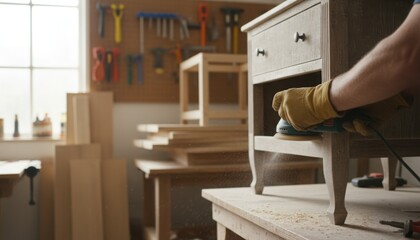
When refacing cabinets, the first step is to remove existing doors and drawer fronts. Then, clean surfaces with mild soap or wood-cleaning products to prepare them for application. Sanding may be required to smooth rough or sharp edges. Once the face frame is prepared, begin by applying adhesive to the surface. Then, adhere the veneer. When applying veneer, it is important to press firmly with a roller, removing air bubbles and ensuring a smooth finish.

After completing the face frame, apply veneer to the sides of each stile and rail. Be sure to use short brads that won’t penetrate the side of the cabinet. To finish the job, trim excess veneer from the edges of the cabinet with a utility knife or laminate trimmer. It’s a good idea to measure the sides of each cabinet before cutting veneer to ensure a perfect fit. If the ends of a piece of veneer are too long or too short, they can be cut to length with a table saw.

Medium-Density Fiberboard (MDF)

Wood cabinet refacing is a popular option for homeowners who are looking for classic, modern, or transitional aesthetics. It’s available in a variety of species and cut options, with a wide range of finishes (matte, gloss, or natural oil). The best type of wood for your cabinets will depend on your priority for authenticity and organic grain vs. uniformity and sustainability.

While solid wood cabinets offer the highest level of performance, they’re more prone to warping in humid environments like kitchens. Veneer is an attractive and affordable alternative that delivers the same beauty as solid wood while offering increased durability, stability, and moisture resistance.

MDF is a common building material that combines broken down hardwoods and softwoods with resin and wax before pressing into sheets. It has a smooth, dense surface that’s ideal for painting and can be used in a variety of decorative applications, like furniture or custom cabinetry. Because of its durability, MDF is a popular choice for door cores and interior paneling.

Unlike plywood, MDF is manufactured with a uniform density throughout, making it an excellent substrate for veneers. This quality, coupled with its affordability and ability to be carved, sliced, and machined, makes it a popular choice for furniture-making, cabinetry, and wall paneling.

MDF is also a better alternative to plywood for projects that require detailed craftsmanship and precise machining. This is because the uniform density of MDF prevents knots and rings from telegraphing through the veneer, as they can with plywood.

MDF veneer offers a more consistent look than solid wood, which is important for projects that require high levels of detail and finishing. Additionally, MDF is more resistant to moisture than solid wood, which means it can last longer in a damp environment, like a kitchen. Moreover, the fact that one log can produce dozens of sheets for use in a project minimizes the amount of natural resources needed to build a cabinet. This is great news for eco-conscious homeowners. It’s also easier to work with for skilled craftsmen, as it can be cut and shaped into a variety of shapes without losing its strength or durability.

Non-Adhesive Paper Back Veneer

As the name suggests, this cabinet refacing material consists of paper-backed veneer that can be attached to a variety of surfaces. These include MDF, particle board, plywood, Masonite, melamine and even drywall. This type of cabinet refacing material is ideal for those who want to change the look of their kitchen without the expense of a full remodel. It can also be used to update cabinets that are in good shape, but just need a fresh coat of paint.

Paper-backed veneers have a thin layer of paper that keeps multiple wood veneer faces in place and adds stability to the sheet. This allows them to be cut with a utility knife or table saw, and it gives the material flexibility. It also makes it easier to attach the veneer to curved surfaces, which is often necessary for face frames. Paperback veneer sheets are available in various thicknesses, with 10 mils recommended for most projects. Higher thicknesses, such as 20 mils, may be better for curved or irregular surfaces.

Like other types of laminate, wood-backed cabinet refacing materials have the advantage of resisting moisture and providing an attractive finish. The added benefit is that they’re less prone to warping and cracking with changes in humidity, making them a great option for high-traffic areas. The core can be made of either solid or MDF, and it’s important to choose a quality product that has been tested for durability and safety.

While choosing cabinet refacing materials, consider the style and design of your kitchen to make sure that the chosen veneers match its decor. For example, modern kitchens may benefit from sleek 3D laminates, while traditional kitchens can look good with natural-looking wood back veneers.

While solid wood is a popular choice for kitchen cabinet refacing, other materials provide a wide range of benefits. For instance, MDF is sturdy and can be painted to match the existing color of the kitchen. It’s also cheaper than solid wood and more versatile, allowing you to create a unique design for your home. In addition, it’s easy to work with and can be sanded down for a smooth surface.

Decorative Laminate

Decorative laminates are durable, affordable and offer a beautiful wood-look. Available in a variety of textures, patterns and colors, these materials can be used to achieve a variety of design styles. They are perfect for contemporary, modern and retro kitchens but also work well with traditional and rustic designs. Cabinet refacing is ideal for homeowners who want to give their kitchens a face-lift without breaking the bank.

Unlike wood cabinets, which require regular maintenance and upkeep, laminates are easy to clean and durable. They can withstand heavy use and high moisture levels without warping or cracking. Additionally, they do not contain harmful chemicals, VOC’s or paint, making them a safer and healthier option for your home.

The choice between wood and laminate for your cabinet refacing depends on your desired style, budget and durability. Wood cabinets are a more expensive option, but they provide a timeless look that can stand the test of time. They are crafted from broad-leaf or needle-bearing trees, and can be finished in either a hard or soft finish. Hardwood cabinets are more durable, but are more prone to warping if exposed to heat and moisture.

Medium-density fiberboard (MDF) cabinet refacing is an inexpensive alternative to wood cabinets, and provides a smooth surface that’s ideal for painting. MDF is made using wood fibers and resin, creating a dense board that’s resistant to damage and warping. While MDF is more stable than solid wood, it may be prone to moisture damage if not properly sealed.

Paper back veneer is made with a thin layer of wood bonded to a paper backing. It’s easier to apply than other types of refacing material, and is great for face frame applications. However, it’s not as resilient and is not recommended for covering larger surfaces.

Resin back veneers are made with a thin layer of wood glued to a resin backing, and are a more durable alternative to paper back veneer. These are the most robust and enduring type of cabinet refacing material, and are suitable for covering large surface areas.

Choosing the best refacing material for your cabinets is essential for a successful project. Choosing the right product will help you achieve your dream kitchen, while saving you money and time. Cabinet refacing is a less invasive option than a full remodel, and can be completed in a shorter amount of time. This means no missed meals or family time while you wait for your new cabinets to be installed.

Navigation